
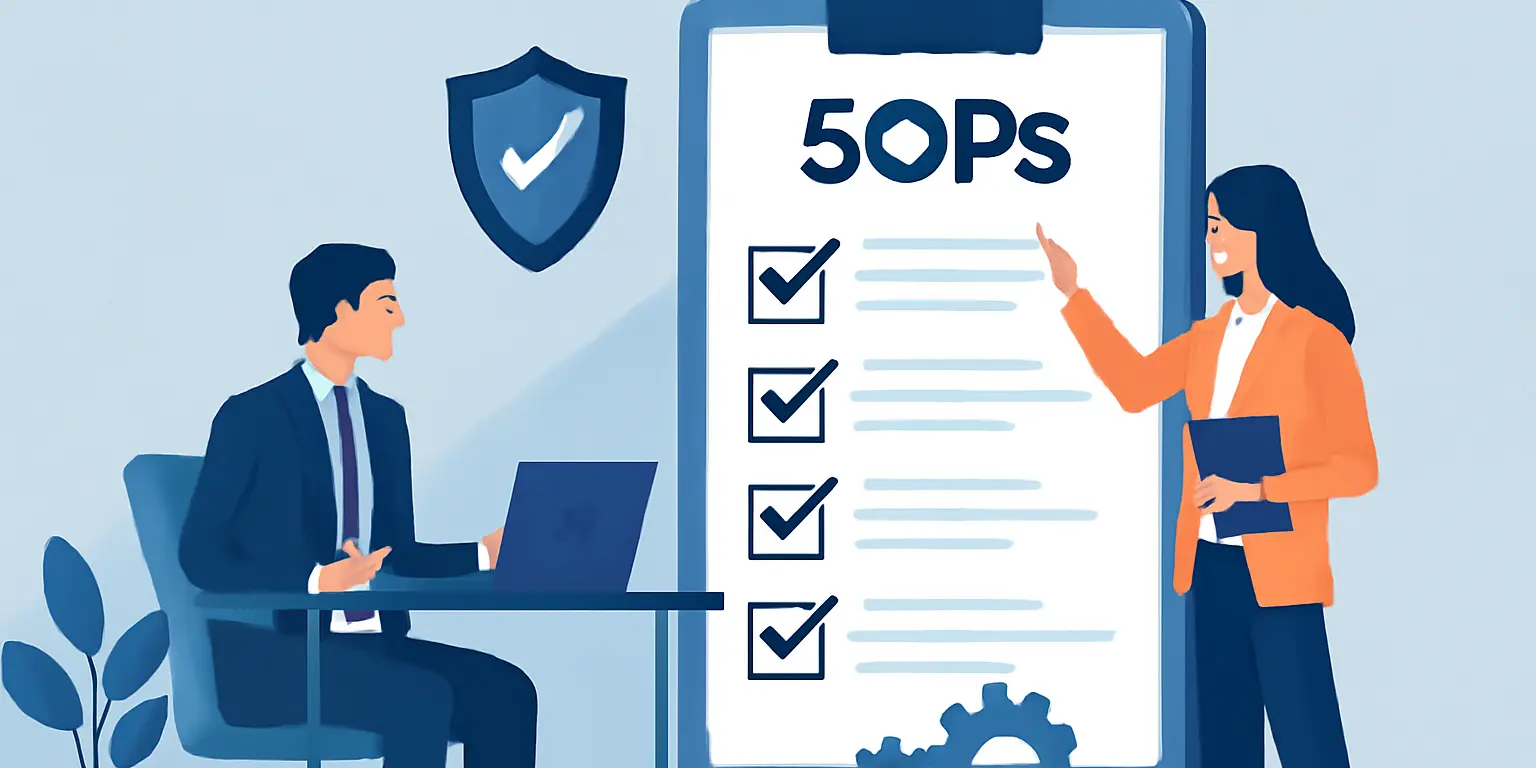
Creating a Culture of Compliance with SOPs
In today’s rapidly changing business environment, establishing a culture of compliance is essential for organizations aiming to thrive. Standard Operating Procedures (SOPs) serve as the backbone of compliance strategies, providing clear guidelines that help employees understand their roles and responsibilities. This article explores how businesses can cultivate a culture of compliance through effective SOP implementation and management.
Understanding the Role of SOPs in Compliance
Standard Operating Procedures (SOPs) are documented processes that outline how tasks should be performed within an organization. They are crucial for ensuring consistency, accuracy, and adherence to regulations. By utilizing SOPs, companies can:
- Streamline operations and enhance efficiency
- Minimize errors and improve quality
- Facilitate training and onboarding for new employees
- Ensure compliance with legal and regulatory requirements
- Promote accountability and transparency within teams
Steps to Create Effective SOPs
Creating SOPs that resonate within your organization involves several key steps. Here’s how to do it effectively:
1. Identify Key Processes
Start by mapping out the processes that need standardization. Focus on areas where compliance is critical, such as:
- Financial reporting
- Data protection and privacy
- Health and safety regulations
- Quality control procedures
2. Involve Stakeholders
Engaging team members from different departments is essential. Their insights can help ensure that the SOPs are practical and relevant. This collaborative approach promotes buy-in and encourages adherence.
3. Draft Clear and Concise Procedures
When writing SOPs, clarity is key. Use simple language and avoid jargon. Structure your SOPs with:
- Title and purpose
- Scope of application
- Step-by-step instructions
- Roles and responsibilities
- Documentation and records required
Best Practices for Implementing SOPs
Once SOPs are created, the next step is effective implementation. Consider the following best practices:
Training and Education
Provide comprehensive training sessions to educate employees on the SOPs. Use real-world examples to illustrate their importance and relevance. Regular refresher courses can also keep everyone updated on any changes.
Regular Review and Updates
SOPs should not be static documents. Schedule periodic reviews to ensure they remain relevant and reflect any changes in regulations or business processes. Encourage feedback from employees to identify areas for improvement.
Utilize Technology
Invest in tools and software that facilitate SOP management. Features such as version control, accessibility, and tracking can enhance compliance efforts. Platforms like Altheronus offer valuable resources for creating and maintaining SOP libraries.
Common Mistakes to Avoid
While implementing SOPs, organizations often make several common mistakes. Avoiding these pitfalls can significantly enhance compliance:
- Neglecting employee involvement in the SOP creation process
- Overcomplicating procedures with excessive detail
- Failing to communicate changes effectively
- Not providing adequate training and resources
Benefits of a Compliance Culture
Fostering a culture of compliance through SOPs has numerous benefits, including:
- Improved operational efficiency
- Enhanced employee morale and engagement
- Reduced risk of legal penalties and fines
- Strengthened reputation and trust with customers
Conclusion
Creating a culture of compliance through Standard Operating Procedures is not only beneficial but essential for sustainable growth. By developing clear SOPs, involving employees, providing training, and regularly updating processes, organizations can achieve a higher level of operational excellence. Remember, a strong compliance culture fosters trust, accountability, and success in today’s competitive landscape.